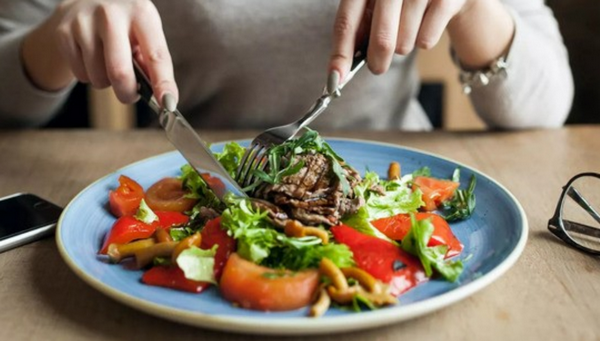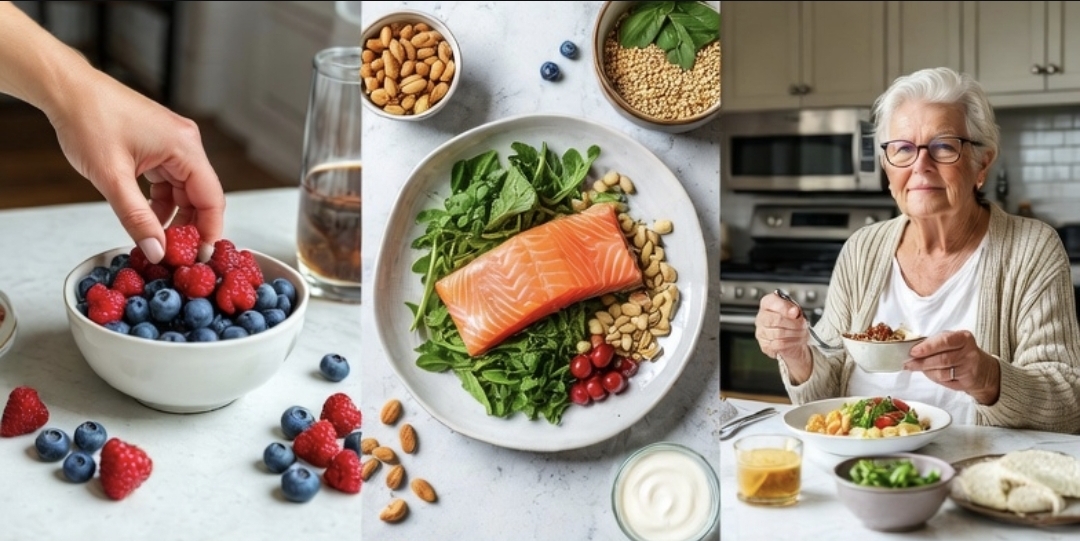
In an era where mental sharpness and cognitive longevity are top priorities, healthy eating for brain health is emerging as a powerhouse trend for 2026. With search queries for "healthy eating for brain health" surging by up to 80% in recent weeks, people are increasingly turning to nutrition to boost focus, reduce stress, and prevent age-related decline. Drawing from the latest research, diets rich in whole foods like fruits, vegetables, and omega-3s not only support physical health but also enhance mood, memory, and overall brain function. If you're aiming for a sharper mind in 2026, here's everything you need to know about fueling your brain the right way.
What Is Healthy Eating for Brain Health?
Healthy eating for brain health focuses on nutrient-dense foods that nourish neural pathways, reduce inflammation, and support gut-brain connections. Unlike fad diets, this approach emphasizes minimally processed ingredients that promote long-term cognitive resilience. Studies show that starting early—even in childhood—can reshape brain pathways for lifelong benefits, while poor habits like high-sugar or high-fat diets can disrupt feeding behaviors into adulthood. Key players include antioxidants, healthy fats, and fiber, which combat oxidative stress and foster a healthy microbiome.

Key Nutrients Powering Brain Health
Certain nutrients stand out for their brain-boosting properties, backed by 2026 trends in cognitive nutrition:
- Omega-3 Fatty Acids: Found in fatty fish like salmon, these support memory and reduce inflammation. Aim for 2-3 servings weekly to maintain mental energy.
- Polyphenols and Antioxidants: Berries, dark chocolate, and tea provide these compounds, which protect against cognitive decline.
- B-Vitamins: Leafy greens, nuts, and whole grains deliver folate and B12, essential for mood regulation and nerve health.
- Fiber: From veggies and legumes, it nurtures gut bacteria that influence brain signals via the gut-brain axis.
Emerging research highlights how these nutrients interact with brain regions involved in eating behavior and emotional wellness.
Top Diets for Brain Protection
Several evidence-based diets are gaining traction for their brain benefits:
- DASH Diet: This heart-healthy plan—emphasizing vegetables, fruits, fish, and moderate wine—lowers cognitive decline risk by up to 41% in middle age. It's tops for brain health, outperforming others like the Mediterranean or plant-based diets in recent studies.
- MIND Diet: A hybrid of Mediterranean and DASH, it focuses on berries, greens, nuts, and olive oil, reducing dementia risk significantly—even when adopted later in life. It's ideal for longevity, with whole grains and limited processed meats key to success.
- Anti-Inflammatory Diets: Prioritizing tea, salad dressings, and avoiding sugary beverages, these patterns support better cognition by curbing brain inflammation.
Why This Trend Is Exploding in 2026
2026 sees a shift toward preventive brain health, driven by rising awareness of dementia and mental fatigue. Consumers are ditching ultra-processed foods, linked to 28% faster cognitive decline, in favor of whole-food alternatives. Trends include sensory drinks with adaptogens for stress relief, fiber-rich global flavors like beans and skyr, and personalized nutrition via AI. With brain health potentially unlocking trillions in economic value by 2040, expect more functional foods targeting neuroinflammation and cognitive resilience.
Benefits of Brain-Healthy Eating
Adopting these habits yields impressive results:
- Improved Mood and Focus: Diets high in fruits and veggies correlate with reduced depression symptoms.
- Longevity Boost: Lower risk of dementia and better sleep quality.
- Holistic Wellness: Enhanced gut microbiome supports immune and neural pathways.
- Cognitive Preservation: Even midlife changes can slow decline by 11-41%.
Potential Risks of Poor Nutrition
Conversely, ultra-processed foods, red meats, and fried items accelerate brain aging and metabolic issues. Early unhealthy eating can imprint lasting disruptions, but gut bacteria restoration via fiber can help reverse some effects. Always consult a doctor before major changes, especially if managing conditions like hypertension.
Real-Life Success Stories
Consider Sarah, a 45-year-old professional who switched to the MIND diet: "Adding berries and greens daily sharpened my focus and reduced brain fog." Or tech executive Mark, who credits omega-3s and veggies for better stress management amid 2026's fast-paced world. These anecdotes align with studies showing everyday meal tweaks yield big brain gains.
Tips to Get Started in 2026
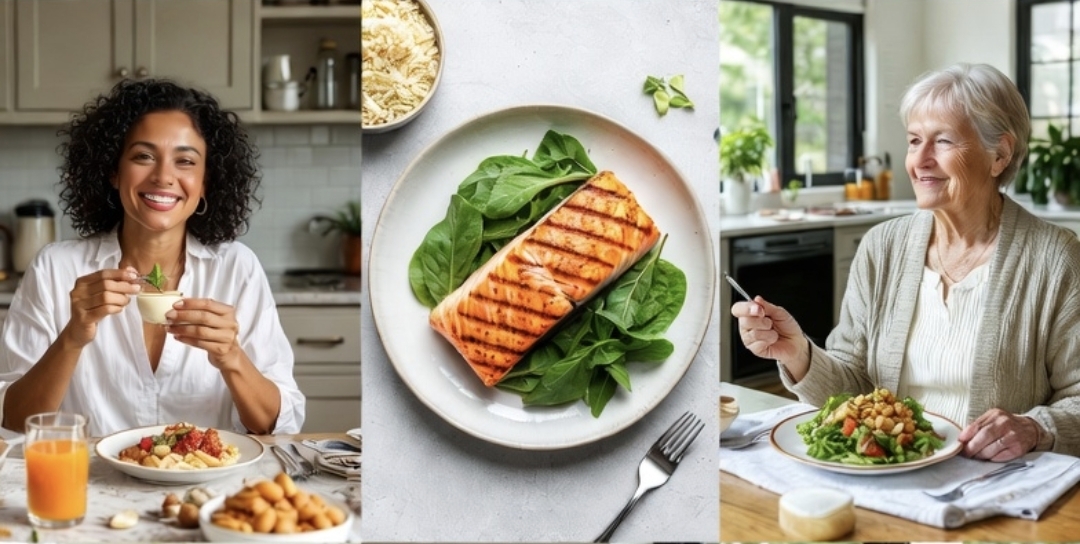
- Stock Up on Staples: Incorporate berries, salmon, nuts, and leafy greens into meals.
- Follow a Proven Plan: Start with DASH or MIND—track via apps for personalization.
- Avoid Pitfalls: Cut ultra-processed snacks; opt for whole foods close to their natural form.
- Combine with Lifestyle: Pair with exercise, sleep (7+ hours), and stress techniques for amplified effects.
Healthy eating for brain health isn't just a trend—it's a sustainable path to a vibrant mind in 2026 and beyond. Whether preventing dementia or enhancing daily focus, small changes today can yield profound results. Consult a healthcare pro to tailor it to you—your brain will thank you!